
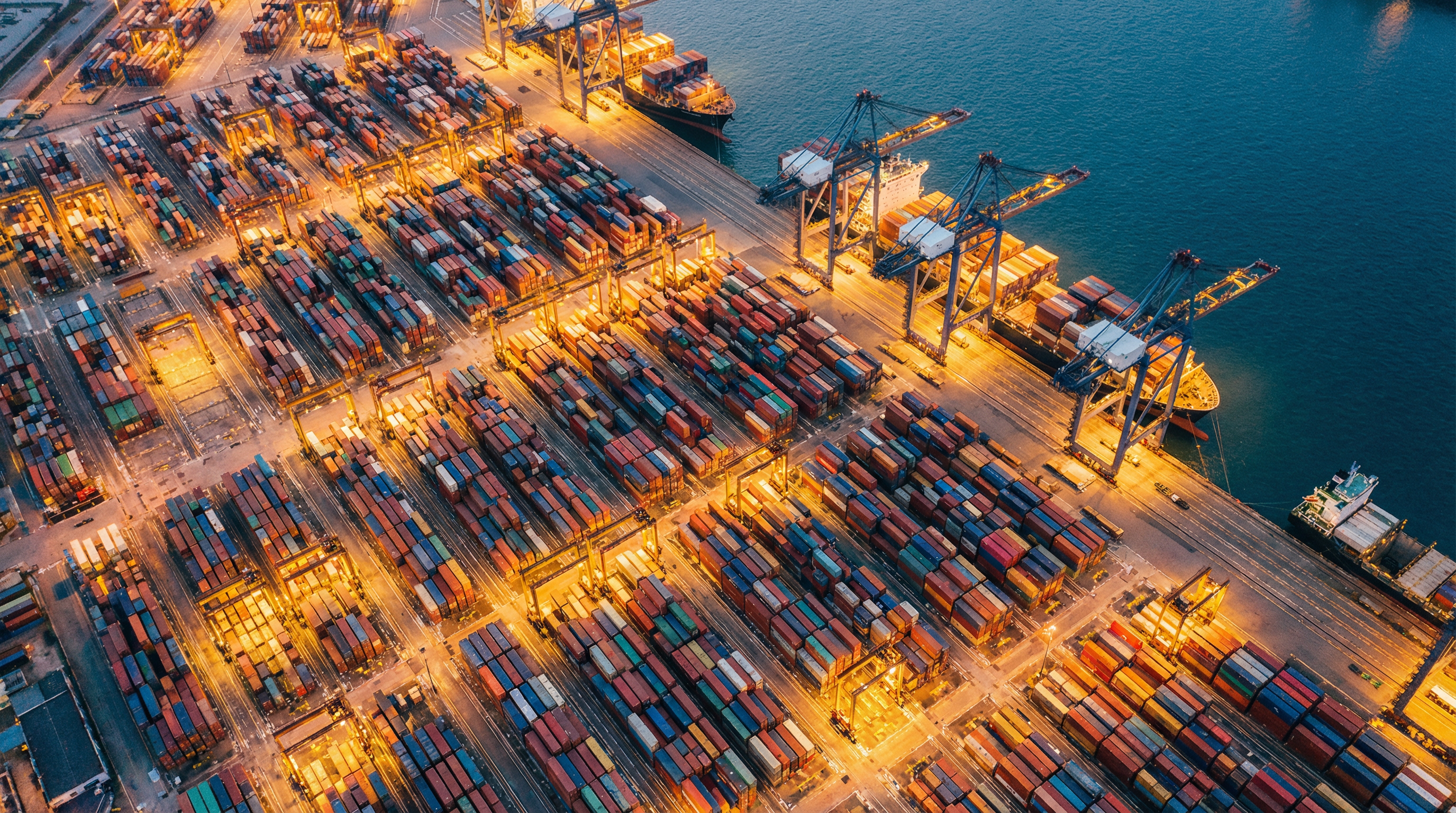
ESG Compliance in Commodity Trade: Beyond Checkboxes
Environmental, social, and governance compliance in commodity trade has evolved from a regulatory requirement to a competitive advantage. Companies demonstrating robust ESG practices are securing better financing terms, accessing premium markets, and building long-term partnerships.
Environmental, social, and governance (ESG) compliance in commodity trade has undergone a profound transformation over the past decade. What began as a regulatory checkbox exercise has evolved into a strategic imperative that shapes market access, financing costs, and competitive positioning. Companies that view ESG as merely a compliance burden are increasingly finding themselves excluded from premium markets and partnerships.
From Compliance to Competitive Advantage
Leading commodity traders and producers now recognize ESG performance as a source of competitive differentiation. Robust environmental management, fair labor practices, and transparent governance structures command premium pricing in international markets. European and North American buyers, in particular, are willing to pay 5-15% premiums for commodities with verified sustainable sourcing credentials.
This market dynamic is reshaping producer behavior worldwide. Mining companies invest in community development programs, renewable energy for operations, and progressive labor standards—not because regulations require it, but because it enhances market access and profitability. The business case for ESG is no longer theoretical; it is reflected in contract terms and pricing.
Impact on Financing Terms and Capital Access
Financial institutions have embedded ESG considerations into credit assessment and pricing models. Projects with strong ESG profiles secure lower interest rates, longer tenors, and higher leverage ratios. Conversely, operations with poor environmental or social records face higher capital costs, stricter covenants, and limited financing options.
Green bonds, sustainability-linked loans, and ESG-focused investment funds have grown from niche products to mainstream financing vehicles. Commodity companies that meet rigorous ESG standards can access this expanding pool of capital, often at more favorable terms than conventional financing. This creates a virtuous cycle where ESG performance reduces financing costs, improving project economics and enabling further ESG investments.
Technology-Enabled Transparency
Blockchain technology and digital verification systems are revolutionizing supply chain transparency in commodity trade. These tools enable real-time tracking of products from origin to end-user, with immutable records of environmental and social compliance at each stage. Buyers can verify that minerals were extracted without child labor, that timber comes from sustainably managed forests, or that agricultural products meet organic certification standards.
Satellite monitoring, IoT sensors, and AI-powered analytics complement blockchain systems, providing independent verification of ESG claims. For example, satellite imagery can confirm that mining operations comply with land use restrictions, while sensor networks monitor water quality and emissions in real-time. This technological infrastructure makes greenwashing increasingly difficult and costly.
Regulatory Evolution and Standardization
Regulatory frameworks are converging toward mandatory ESG disclosure and due diligence requirements. The European Union's Corporate Sustainability Due Diligence Directive, for instance, requires companies to identify and address environmental and human rights impacts throughout their supply chains. Similar regulations are emerging in other jurisdictions, creating de facto global standards.
Industry initiatives are complementing regulatory efforts with voluntary standards and certification schemes. The Responsible Mining Initiative, Roundtable on Sustainable Palm Oil, and Forest Stewardship Council exemplify sector-specific frameworks that establish benchmarks and verification mechanisms. Participation in these initiatives increasingly serves as a prerequisite for accessing major markets and financing.
Building Long-Term Partnerships
ESG performance has become a critical factor in partner selection and relationship longevity. Buyers seek suppliers who can demonstrate not just current compliance but continuous improvement and resilience to future regulatory changes. This favors companies with robust ESG management systems, transparent reporting, and stakeholder engagement practices.
Long-term offtake agreements increasingly include ESG performance clauses, with pricing adjustments or termination rights tied to sustainability metrics. These contractual mechanisms align incentives and ensure that ESG commitments translate into operational reality. For suppliers, meeting these standards secures stable, premium-priced demand; for buyers, it mitigates reputational and regulatory risks.
The Path Forward
ESG integration in commodity trade will only deepen as stakeholder expectations rise and regulatory requirements expand. Companies that embrace this reality—investing in sustainable practices, transparent reporting, and stakeholder engagement—will thrive. Those that resist or engage in superficial compliance will find market access and financing increasingly constrained.
The transition to ESG-driven commodity markets presents challenges, particularly for small-scale producers and operations in developing countries. Addressing these challenges requires collaborative efforts—capacity building, technology transfer, and financing mechanisms that enable broad-based participation in sustainable commodity value chains. The goal is not to exclude but to elevate standards across the industry, creating markets that reward responsibility and deliver shared prosperity.